
Directing Without Permission
Peer-Led Learning for the Next Generation of Theatre Leaders Directors Club by Elena Yianni


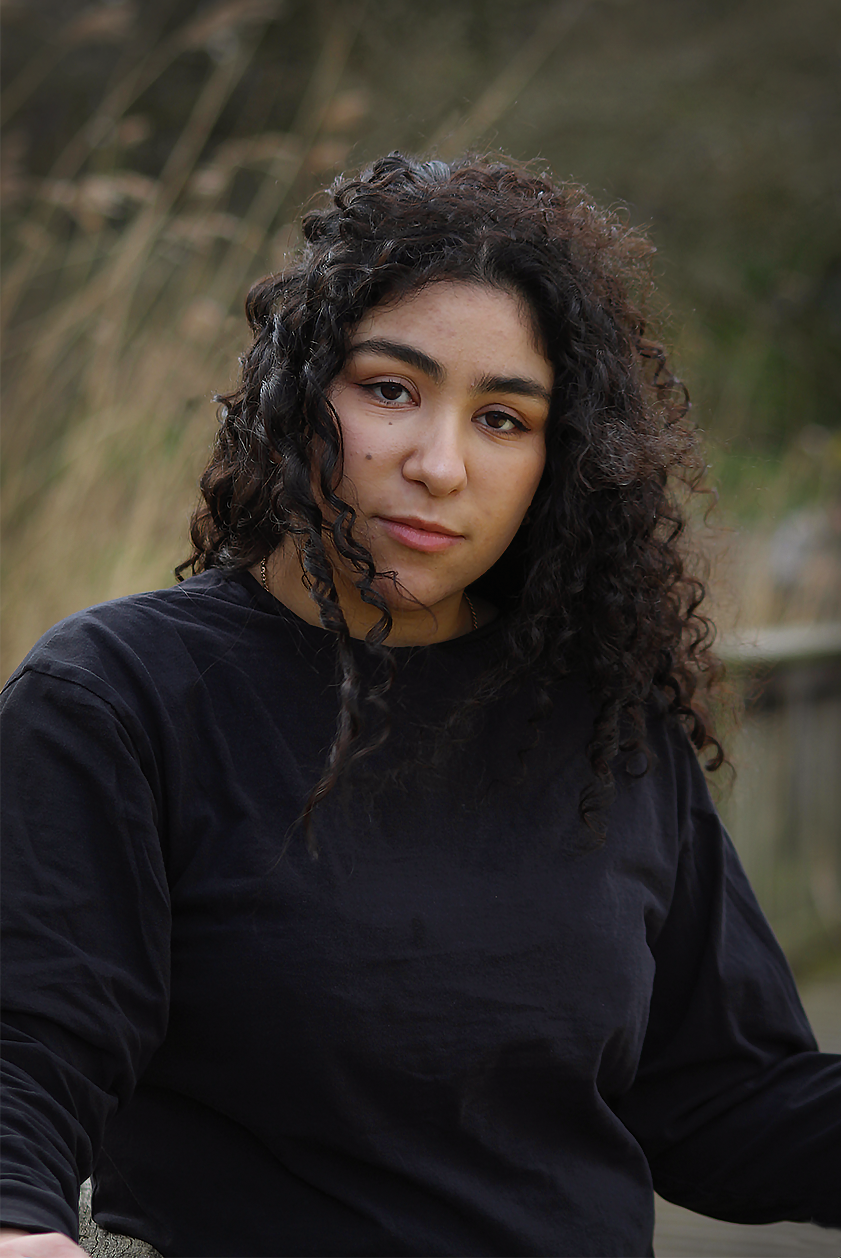
When I say the word “director,” who comes to mind?
For me, that word felt like home long before I even fully understood it. When I was five, I watched High School Musical and turned to my sister and said: “One day, I want to be part of something big and special like High School Musical.” That wasn’t just the start of my love for storytelling, it was the start of my obsession with collaboration: people coming together to create something greater than themselves. I wasn’t drawn to the spotlight, but to the work behind it, the shaping of stories, guiding of teams, and creation of experiences that could move people.
I didn’t see a professional theatre production until I was thirteen, yet even then, I already knew I wanted to direct. My early inspirations came from films like ‘Harry Potter’ and TV shows like ‘Friends’, and any story where big teams came together to make something iconic. These shows taught me that storytelling works best when everyone’s contribution matters. And that the best directors know how to bring out the best in everyone around them.
When I think back to that first question, “When I say the word “director,” who comes to mind?”, I never quite fit the image in my mind. But when I left university, I assumed the industry was ready for me. The industry was talking about accessibility, diversity, and representation in ways it hadn’t before. I assumed that image was changing, and that this wouldn’t be an issue in the 21st century. Many theatres said they wanted to hear from emerging directors from underrepresented backgrounds. I assumed that meant doors were open, and that I could step straight out of university into a role.
But reality looked very different. For four and a half years, I applied for Assistant Director roles, whilst following all the advice I was given. I directed a range of fringe and pub shows, networked, saw as much theatre as I could, worked in theatres full-time, and joined multiple programmes and short courses. But the more I learned, the further away a professional role felt. Interviews rarely came through, and rejections stacked up so high it sometimes felt impossible. Honestly, it was exhausting and sometimes demoralising, but I kept going. I even applied for a Masters in Directing, only to be told, “You will be intimidated by the people on the course.” And, when I built up the courage to try again and got accepted onto one, I realised I couldn’t afford it.
Barriers like money, identity, and class, things completely out of my control, blocked me at every turn. It felt unfair, frustrating, and frankly a little hopeless at times, but it also made me think differently about what I could create for myself. It became clear that passion, drive and knowledge alone weren’t enough. I needed to reconsider my approach. That’s when I started asking myself:
Why is leadership in this industry so closed off to young people? And why don’t they take us seriously?
Why are there countless acting companies, but almost no opportunities or programmes focused on directing?
If no one is willing to teach us, what if we learned from each other?
What would a space look like made just for directors, a place to share, experiment, and grow together?
And that’s how The Directors Club was born.
The Directors’ Club meets on the first Monday of every month at Theatre Deli, bringing together 15–20 emerging directors for a two-hour, hands-on session exploring the role of a director in theatre and film. Our sessions run on a drop-in/drop-out basis, similar to programmes like the Roundhouse. Directors can join for theatre sessions, film sessions, or any of the workshops throughout the year. And after each session, I send out a document with notes, resources, and everyone’s recommendations, so no one misses out.

So, What Does a Session Look Like?
Each session begins with a circle discussion and icebreaker, creating a space for directors to share ideas, experiences, and questions. Then we move into two hours of hands-on learning, which might include dissecting a script, experimenting with camera shots, or working with actors. In our most recent session, we focused on working with actors for screen. We set up our phones with the optimal filming settings and brought in actors to collaborate with the directors, giving each director 30 minutes of one-to-one time with an actor performing a monologue of their choice. Throughout the session, Yusuf Bhaimia, my co-lead, and I acted as 1st ADs, supporting each director and helping with whatever they needed to bring their vision to life.
Many sessions are co-led by emerging directors, demonstrating that peer-to-peer learning can be just as powerful as traditional mentorship. The concept is simple: emerging directors learning from each other in a safe, collaborative, and empowering space. Sessions make creating work accessible, giving young creatives the chance to experiment, take risks, and start making their own work, without having to wait for a professional opportunity.
Beyond the sessions, our WhatsApp group keeps the community alive throughout the month. Members share opportunities, advice, and updates on projects, maintaining connection and support between workshops.
The Future of Directors’ Club
So far, The Directors’ Club has run six sessions, delivering 12 hours of hands-on workshops and welcoming 55 emerging directors from across London, and even as far afield as Sheffield. Remarkably, every director who attends a session returns for another, proving that spaces for practical learning, peer mentorship, and experimentation are not only needed, they are essential.
Looking ahead, the goal is to secure funding and make Directors’ Club a sustainable, ongoing programme. With the right support, we can run more sessions, pay the emerging directors who co-lead, and create even more chances for young directors to experiment, learn, and grow, smashing through the barriers of money, identity, and gatekeeping that have historically made it so hard to step into leadership in theatre.
But it’s not just about skills or opportunities. Directors’ Club is about reshaping the culture of the industry itself: building spaces where leadership can look different, where collaboration, support, and joy come first, and where ambition and creativity can thrive alongside kindness and open communication.
And in five years, when someone asks, ‘When I say the word “director,” who comes to mind?’. We hope the answer reflects this new generation: diverse, daring, and rewriting what leadership in the arts can be.
To find out more about Elena and her work, here are some links!
 | A guest post by
|